The Do’s and Don’ts of Travertine Tile Cleaning and Maintenance
Travertine Tile Cleaning, Honing, Polishing | Tampa FL
The Do’s and Don’ts of Travertine Tile Cleaning and Maintenance
Travertine is an elegant natural stone that has been a popular building material for thousands of years. This porous rock is a form of limestone deposited by spring water, and is the building block for most stalagmites and stalactites in cave systems.
Luxury builders have been using travertine for thousands of years, and even today we use 0.85 million tons of new travertine each year. It’s a natural stone that’s heavy, durable, and attractive, a rare combination in geology. However, a 12″ by 12″ travertine mosaic will usually weigh about five pounds, which is why this stone is often used in tiles and countertops rather than walls.
For a warm, classic look, architects use travertine in floors, countertops, and shower walls. And although it takes eons for travertine to develop in the natural world, just a few years of neglect can have a corrosive effect on your home’s travertine. So how do you care for travertine in your home? Like any other surface, travertine should be regularly cleaned and swept, while coasters are a stone’s best friend. However, there are some unique properties, which means travertine tile cleaning requires special care.
Home Travertine Maintenance: Do’s and Don’ts Many homeowners don’t even realize they have travertine in their home, mistaking it instead for marble or other forms of limestone. Fortunately, the maintenance and cleaning requirements of travertine are very similar to marble, which more people are familiar with.
DO NOT USE GENERIC CLEANING PRODUCTS FOR TRAVERTINE TILE CLEANING !
As we will discuss below, travertine is vulnerable to acidic compounds, which includes virtually all generic household cleaners. These chemicals will etch and corrode this fine stone, and even regular soap should be used sparingly. Either use special cleaning products or stick to sponges and hot water !
Beware of Etching !
As with marble, travertine countertops and floors are vulnerable to etching. Because of the minerals inside these natural stones, acidic substances like coffee and wine eat away at the surface. Over time, this leaves scar-like grooves or etches in the travertine. This is particularly obvious in travertine countertops. To repair etching damage, you’ll need professional travertine tile cleaners to re-polish or reseal the stone.
Filling Holes
Because travertine contains natural pores, most travertine tiles are filled and sealed before being used in homes. However, over time, these holes can reopen, which is a sure sign that it’s time for travertine restoration.
Sealing Will Stop Stains in their Tracks If you’re considering travertine for your home or home renovation, then remember that travertine can be stained if you don’t have the stone professionally sealed! Otherwise, certain materials can be absorbed into the stone itself, which means you’ll never be able to wash it away.
Travertine Polishing and Tile Restoration
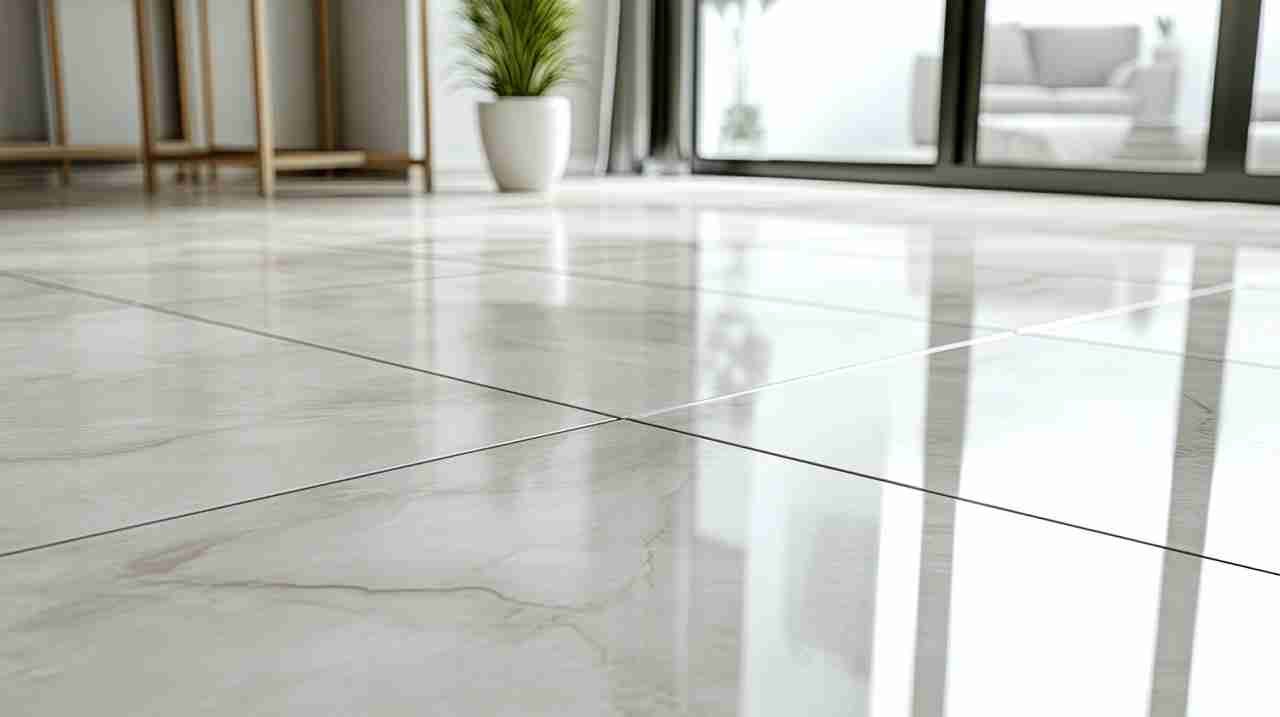
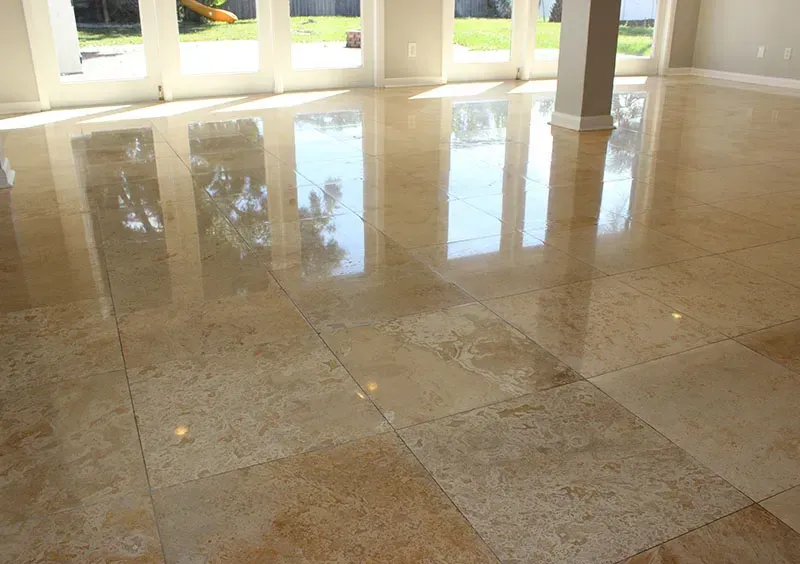
When the tiles in your home start to look worse for wear, then it’s time to schedule travertine tile cleaning. Just like marble and other natural stones, your travertine seal will need to be reapplied after years of use. But like a slowly yellowing wall, many people are shocked by how fresh and sophisticated their home looks after travertine floor restoration. Not only is the stone polished until it’s smooth to the touch, but a custom finish makes this stone brighten up the entire room.
Schedule an In-Home Estimate: (813) 609-8661