What’s the Best Thing to Clean Terrazzo Floors with?
Terrazzo floors have been celebrated for centuries due to their unique blend of marble chips, granite, glass, and cement. Their durability and striking appearance make them a timeless choice for both residential and commercial spaces. However, maintaining their natural luster requires proper care. The wrong cleaning products can dull the shine or even damage the surface. If you are wondering what the best thing to clean terrazzo floors with is, the answer lies in understanding the material and applying the right cleaning techniques.
In this article, we will explore safe and effective approaches to terrazzo floor cleaning, touch on terrazzo restoration, and highlight how terrazzo polishing can keep your floors looking their best.
Understanding the Nature of Terrazzo Floors
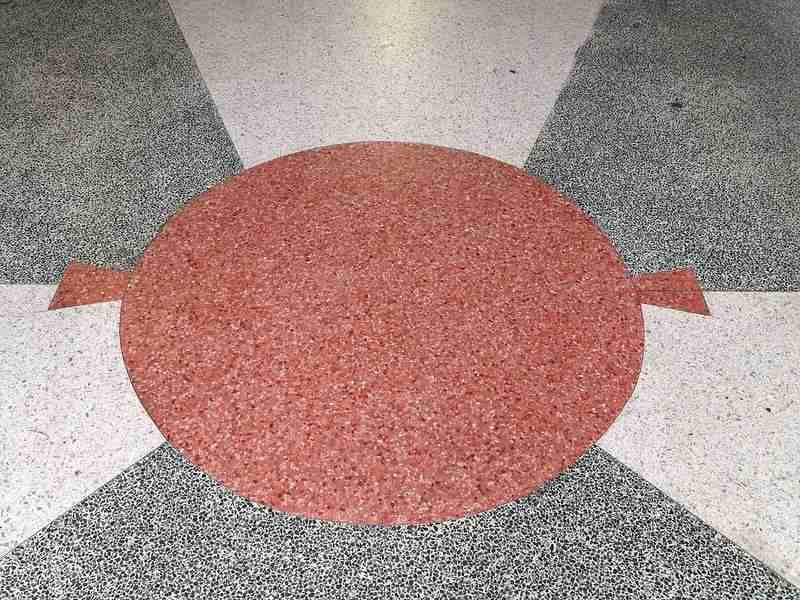
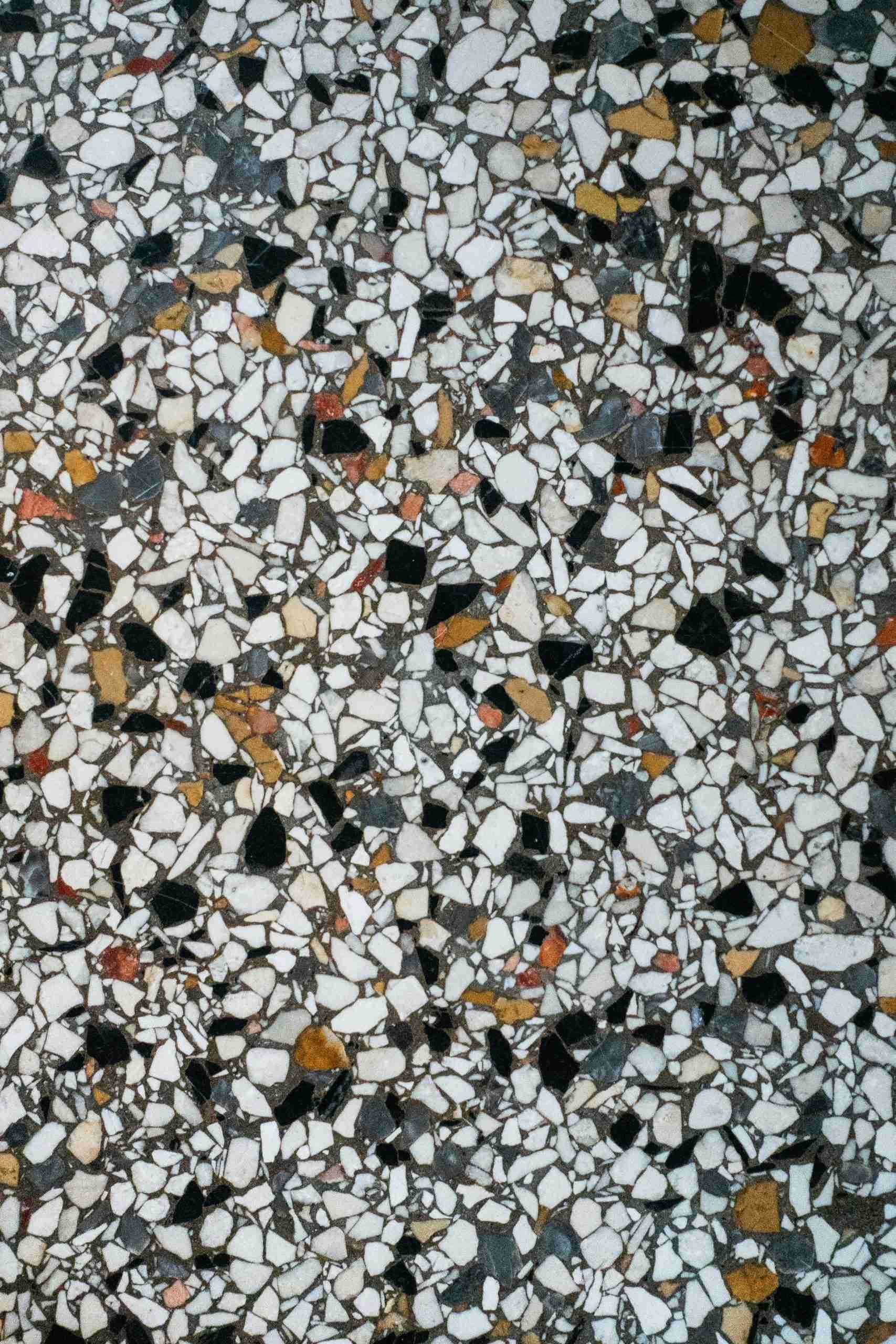
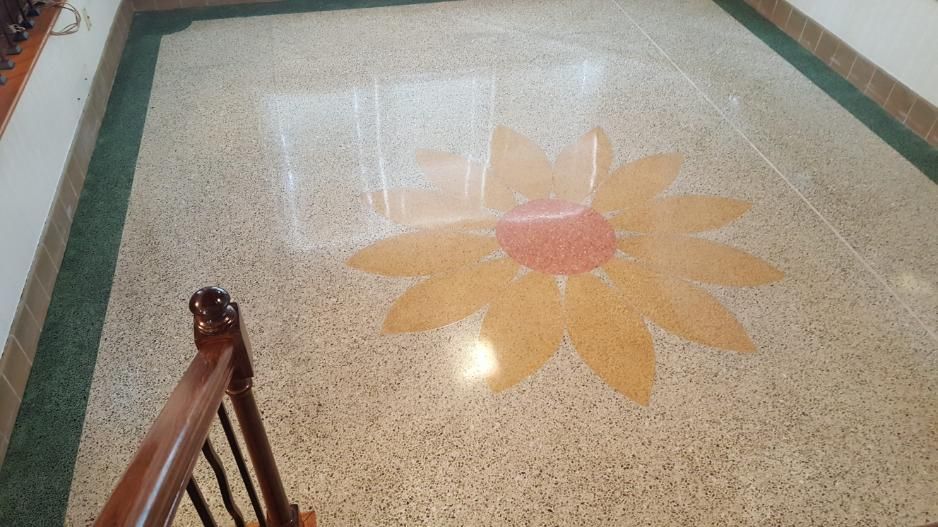
Before diving into terrazzo floor cleaning, it is important to understand the structure of terrazzo itself. The material is typically created by embedding marble or granite chips in cement or resin. This mixture is then polished until it reveals a smooth, glossy surface. The very nature of terrazzo makes it prone to both staining and dulling if not treated carefully.
Acidic cleaners, bleach, or abrasive scrubbing pads can etch the surface, making it lose its brilliance over time. The best approach to clean terrazzo floors involves pH-neutral cleaners, warm water, and non-abrasive tools. This ensures dirt and debris are removed without damaging the polish or exposing the aggregate beneath the cement or resin binder.
The porous quality of terrazzo also makes it susceptible to absorbing liquids, which can lead to permanent stains. This is why routine cleaning combined with occasional terrazzo restoration is key to maintaining its longevity.
Daily and Weekly Terrazzo Floor Cleaning Routines
Consistency is the foundation of terrazzo care. Daily sweeping or vacuuming prevents grit and dirt from scratching the surface. Fine debris, when dragged underfoot, can create micro-abrasions that dull the polished finish. Once the surface is free of dust, the next step is to mop with a mild, pH-neutral solution.
Mixing warm water with a neutral cleaner specifically designed for stone or terrazzo ensures the floor stays clean without chemical damage. The mop should be damp, not soaked, as excessive water can seep into pores or joints, weakening the bond over time. Microfiber mops are especially effective because they trap dirt while being gentle on the polished surface.
For weekly maintenance, a deeper clean can be introduced. A diluted terrazzo floor cleaning solution can be applied with a soft mop, followed by a rinse with clean water to prevent residue buildup. It is critical to avoid harsh detergents, as they can strip away sealants and leave the terrazzo vulnerable.
By adhering to these simple habits, terrazzo floors retain their clarity and shine far longer, reducing the frequency of costly terrazzo restoration.
Terrazzo Restoration and When It Is Needed
Even with proper care, terrazzo floors eventually lose their shine due to years of foot traffic, spills, and environmental wear. This is when terrazzo restoration becomes necessary. Restoration is a process that involves stripping away old sealants, repairing chips or cracks, and re-polishing the surface to bring back its original radiance.
The restoration process usually begins with a deep clean using specialized machines and diamond-grit pads. These pads gently grind away the top layer of the floor, removing scratches, stains, and imperfections. After grinding, progressively finer pads are used to polish the floor to a high gloss. Finally, a sealer is applied to protect the terrazzo from future staining and wear.
Professional terrazzo restoration is a worthwhile investment for older floors that have lost their appeal. Not only does it revive the appearance, but it also strengthens the surface, prolonging the life of the flooring. Regular cleaning delays the need for restoration, but once the floor shows significant dullness or damage, this process is the only way to fully recover its beauty.
The Role of Terrazzo Polishing in Maintenance
While daily terrazzo floor cleaning keeps the surface free of grime, terrazzo polishing is what elevates its appearance. Polishing can be done professionally as part of restoration, but homeowners can also maintain shine between major treatments. Polishing compounds designed for terrazzo or natural stone provide a safe way to restore brilliance without damaging the material.
Polishing works by smoothing microscopic scratches on the surface, allowing light to reflect evenly. Over time, this makes the floor appear brighter and cleaner. Depending on the traffic level, polishing may be required every few months for residential spaces or more frequently in commercial environments.
The best way to approach terrazzo polishing is to use specialized polishing powders or compounds in combination with a soft pad. Unlike waxes, which can yellow over time, polishing enhances the stone itself rather than coating it. This keeps the terrazzo floor looking authentic while ensuring long-term durability.
By combining polishing with routine cleaning, the terrazzo floor maintains a high-gloss finish that reflects its historical elegance and modern charm.
Safe Products and Tools for Terrazzo Floor Cleaning
Choosing the right products is crucial when it comes to clean terrazzo floors effectively. The safest option is always a pH-neutral cleaner formulated for stone surfaces. These cleaners remove dirt and grease without etching the surface. Avoid vinegar, lemon, ammonia, and bleach, as these are too harsh and can cause irreversible damage.
As for tools, soft microfiber mops and non-abrasive cloths are ideal. Avoid steel wool, stiff brushes, or any scouring pads that may scratch the surface. If a spill occurs, it should be blotted immediately rather than wiped, to prevent spreading the liquid and staining a larger area.
For added protection, applying a terrazzo sealer every one to two years is highly recommended. Sealers act as a barrier against moisture and stains, making regular cleaning even more effective. They also extend the time between major terrazzo restoration projects, saving both time and cost in the long run.
Using the right cleaners and tools not only preserves the surface but also ensures that terrazzo polishing produces the best possible results. Safe products are not only gentle on the stone but also environmentally friendly, making terrazzo maintenance sustainable.
Conclusion
The best thing to clean terrazzo floors with is a combination of gentle techniques and appropriate products. Regular terrazzo floor cleaning using pH-neutral solutions and microfiber mops protects the surface from daily wear. For older floors or those showing visible dullness, terrazzo restoration offers a professional path to reviving their timeless beauty. Between major restorations, terrazzo polishing maintains shine and ensures the floor continues to be a centerpiece in any room.
Terrazzo is a material that rewards consistent care. With proper cleaning, polishing, and occasional restoration, these floors can last for decades while maintaining their signature elegance. By investing a little time and using the right approach, you ensure that your terrazzo floors remain a lasting testament to both craftsmanship and style.